
- Foundation
- About 12 min
- 5 practice questions
Natural and man-made things
Sort things into natural ones found in nature, living or non-living, and things made by people, and use nature's clues, like mango season, to tell the time of year.
If something looks wrong, please tell us.
By the end of this lesson you can
- Tell natural things from things made by people.
- Say that natural things can be living or non-living.
- Use clues from nature to guess the time of year.
Some things are found in nature. Others are made by people. Let us learn to tell them apart.
Natural things
Things that exist in nature by themselves are natural. Some natural things are living, like trees, birds, mangoes and people. Others are non-living, like rocks, water, air and sand.
Man-made things
Things made by people are called man-made or artificial. Clothes, shoes, tables, buckets, books and bicycles are man-made. People make them from natural materials. A table is made from wood, and wood comes from a tree.
Natural or man-made?
-
Natural: living
- Mango tree
 Bird
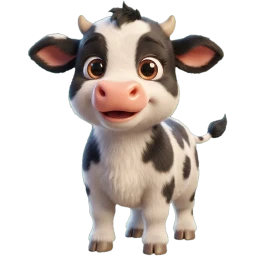 Cow
-
Natural: non-living
- Rock
 Water
- Air
-
Man-made
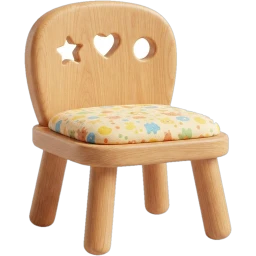 Chair
 Shoes
- Bucket
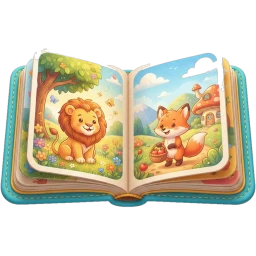 Book
Nature's calendar
Nature gives clues about the time of year. Mango trees flower in late winter or spring. Ripe mangoes fill the markets in summer. So a picture of ripe mangoes on a tree was probably drawn in summer. That is around May or June, not January.
Then and now
Things change over time. Long ago, many things were made of clay, wood, metal or cloth. Today, many are made of plastic. Grandparents may remember materials that are rarely used now.
Natural things are found in nature; man-made things are made by people, using materials from nature.
Let us try 1: sort them
Sort these: a river, a pencil, a parrot, a stone, a cup. A river, a parrot and a stone are natural. A pencil and a cup are man-made. A parrot is living; the river and the stone are non-living.
Let us try 2: when was it drawn?
Khushi draws a mango tree full of ripe mangoes. Was it January or June? Ripe mangoes come in summer. June is in summer. So she probably drew it around June.
Do it at home: then and now
Ask a grandparent or elder what common things were made of when they were young. Examples are water pots, toys, bags and buckets. Make two columns: then and now. Draw one thing in each.
For the grown-up: Children often think everything in a shop is made there. Talk through how a few items began as natural materials.
Key takeaways
- Natural things are found in nature; they can be living or non-living.
- Man-made things are made by people from natural materials.
- Nature, like the mango season, gives clues about the time of year.
Check your understanding
-
1. Which of these is natural?
- A bicycle
- A rock
- A plastic bucket
- A school bag
Show answer
Answer: B. A rock is found in nature. The others are made by people.
-
2. Which natural thing is non-living?
- A cow
- A mango tree
- Water
- A parrot
Show answer
Answer: C. Water is natural but it is not alive.
-
3. Which of these is man-made?
- A pair of shoes
- A river
- The sun
- A bird
Show answer
Answer: A. Shoes are made by people. Rivers, the sun and birds are natural.
-
4. A wooden chair is man-made. What natural thing does its wood come from?
- Sand
- A cloud
- A rock
- A tree
Show answer
Answer: D. Wood comes from trees, which are natural.
-
5. A tree is full of ripe mangoes. Which month is most likely?
- January
- June
- December
- November
Show answer
Answer: B. Ripe mangoes fill the trees and markets in summer, around May and June.
Sign in to keep track of the lessons you finish.