
- Foundation
- About 15 min
- 5 practice questions
Meet the chapter: What a Tank! and its new words
Learn what the chapter What a Tank! says about old and new ways of storing water and Punjab's unusual water tanks, and learn its new words and animal family names.
If something looks wrong, please tell us.
By the end of this lesson you can
- Tell what the chapter is about in a few sentences.
- Use conservation, overhead, culture, heritage, containers, unique and concrete.
- Name the male, female and young of some animals.
Every drop of water we use has to be stored somewhere. Chapter 6 of Santoor takes us on a tour of water tanks, from very old ones to some very surprising new ones!
What the chapter is about
What a Tank! explains that people in India have stored and saved water for hundreds of years, and that some communities still use traditional ways. It then describes rooftop water tanks in rural Punjab that are built in fun shapes, such as a football or a rooster, which often show something about the family living there.
Ways of storing water named in the chapter
-
Traditional
- Ooranis in Tamil Nadu: ponds that store rainwater
- Panam Keni wells in Kerala
- Tankas in Rajasthan's Thar region: underground tanks
-
Modern
- Overhead tanks on rooftops
- Shaped cement tanks in rural Punjab
New words
| Word | Meaning | Our own example |
|---|---|---|
| conservation | saving and protecting something | Water conservation means not wasting water. |
| overhead | above our heads, high up | The overhead tank is on the roof. |
| culture | the way of life, art and customs of a group | Folk dance is part of our culture. |
| heritage | things handed down from the past | Old forts are part of our heritage. |
| containers | things that hold or store something | Mum stores rice in steel containers. |
| unique | one of a kind, unlike any other | Each fingerprint is unique. |
| concrete | a hard building material made with cement | The new bridge is made of concrete. |
Let us try
Example 1: 'A tank shaped like an aeroplane is ___.' Think: it is one of a kind. Answer: unique.
Example 2: How are the Punjab tanks made? Think: the chapter says a frame of steel rods is shaped and then covered with concrete. Answer: with steel rods and concrete, then placed on the roof.
Animal families
| Male | Female | Young one |
|---|---|---|
| bull |  cow | calf |
 lion | lioness | cub |
 tiger | tigress | cub |
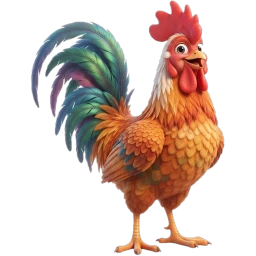 rooster | 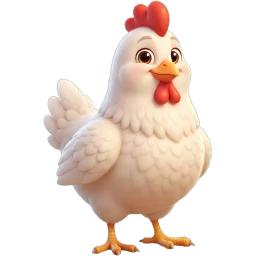 hen | chick |
| stallion | mare | foal |
Conservation means saving something precious, like water, so that it lasts.
Try at home with a grown-up: tank spotting
- From your window or terrace, look at the water tanks around you with a grown-up.
- Notice their shapes, colours and what they are made of.
- Draw a unique tank you would like to have, and say why.
For the grown-up: Do this from a safe place; do not climb onto roofs or ledges.
Key takeaways: the chapter shows that India has long traditions of storing water, and that rural Punjab has unique shaped tanks. New words include conservation, heritage and unique. Animal families have special names, like stallion, mare and foal.
Check your understanding
-
1. What are Tankas, as described in the chapter?
- Underground water tanks in Rajasthan
- Toys
- Boats in Kerala
- Wells in Punjab
Show answer
Answer: A. The chapter says Tankas are underground tanks common in Rajasthan's Thar region.
-
2. Why are some Punjab water tanks special?
- They are made of glass
- They float on rivers
- They are built in fun shapes like a football or a rooster
- They are very tiny
Show answer
Answer: C. Many rural Punjab tanks are shaped like objects such as a football, a tractor or a rooster.
-
3. What does 'heritage' mean?
- Things handed down from the past
- Something new
- A kind of tank
- A colour
Show answer
Answer: A. Heritage means things passed down from earlier generations, like old buildings and customs.
-
4. A young horse is called a:
- calf
- cub
- foal
- chick
Show answer
Answer: C. A stallion and a mare have a young one called a foal.
-
5. What is the female of a tiger called?
- lioness
- mare
- tigress
- hen
Show answer
Answer: C. The female tiger is a tigress.
Sign in to keep track of the lessons you finish.