
- Foundation
- About 15 min
- 5 practice questions
Rules for everyone: the Constitution
Understand why a school, a family and a country need rules, and learn that India's big book of rules is called the Constitution.
If something looks wrong, please tell us.
By the end of this lesson you can
- Explain why rules are needed.
- Say what the Constitution is.
- Give examples of fair rules at school and home.
India became free in 1947. Does freedom mean everyone can do whatever they like? Imagine a cricket match with no rules. Everyone would argue! A country also needs rules to run smoothly.
Why do we need rules?
- Rules keep us safe, like walking on the footpath.
- Rules make things fair, like waiting for your turn.
- Rules help us live together happily, without fights.
- Good rules apply to everyone, big or small.
India's book of rules
After freedom, leaders from all over India worked together to write a big book of rules for the country. It is called the Constitution. It says how the country will be run, and it lists the rights and duties of every citizen. India began to follow the Constitution on 26 January 1950. That is why we celebrate that day as Republic Day.
India is also the world's largest democracy. In a democracy, grown-up citizens choose their leaders by voting.
Rules at every level
-
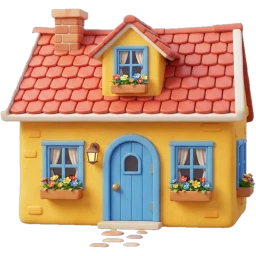 Home
- Wash hands before eating
- Share chores
-
 School
- Be on time
- Keep the classroom clean
-
Road
- Follow traffic lights
- Wear a helmet on a two-wheeler
-
Country
- The Constitution
- Laws made under it
Let us try 1: A game without rules
Children play kabaddi, but nobody agrees on the lines or the time. What happens? Answer: the game turns into an argument. Rules everyone agrees on make the game fair and fun.
Let us try 2: A fair new rule
Sahil wants a new class rule: 'Only the tallest children may use the swings.' Is it fair? Answer: no, it leaves others out. A fair rule would be 'Everyone takes turns on the swings.'
Rules keep us safe, fair and together. The Constitution is India's big book of rules, followed since 26 January 1950.
Do it at home
Sit with your family and make a 'Home Rules' chart. Write five rules everyone agrees on, such as 'switch off lights when leaving a room'. Add one rule you suggest yourself. Stick it where everyone can see it.
For the grown-up: let the child explain why each rule is fair. Agreeing rules together is a small taste of how a democracy works.
Key takeaways: rules keep us safe, make things fair and help us live together. India's Constitution is the big book of rules for the country. It came into force on 26 January 1950, which is why we celebrate Republic Day.
Check your understanding
-
1. What is the Constitution of India?
- A story book
- The big book of rules for running the country
- A map of India
- A song
Show answer
Answer: B. The Constitution sets out how India is run and the rights and duties of its citizens.
-
2. Why does a country need rules?
- To keep people safe and things fair
- To stop all games
- To make people sad
- To make roads longer
Show answer
Answer: A. Rules keep everyone safe, make things fair and help people live together peacefully.
-
3. Which is a fair rule for a class?
- Only friends of the monitor can play
- The loudest child goes first
- Only girls may use the library
- Everyone takes turns
Show answer
Answer: D. Taking turns treats everyone equally. The other rules leave some children out.
-
4. In a democracy, how are leaders chosen?
- By the oldest person
- By a coin toss
- By citizens voting
- By the tallest person
Show answer
Answer: C. In a democracy, grown-up citizens choose their leaders by voting.
-
5. When did India begin to follow its Constitution?
- 15 August 1947
- 26 January 1950
- 2 October 1869
- 1 January 2000
Show answer
Answer: B. The Constitution came into force on 26 January 1950, the first Republic Day.
Sign in to keep track of the lessons you finish.