
- Foundation
- About 12 min
- 5 practice questions
Listening to the sounds of birds
Become a bird listener: close your eyes, cup your ears, recognise birds by their calls, and find out when birds are easiest to hear.
If something looks wrong, please tell us.
By the end of this lesson you can
- Listen carefully and notice bird sounds.
- Cup your ears to hear sounds more clearly.
- Match some birds with the sounds they make.
Shh! Close your eyes and listen. Can you hear birds? Every bird has its own voice. With practice, you can know a bird just by its call, without even seeing it!
Listening well
Sit quietly for a minute. Close your eyes. Now cup your hands behind your ears and turn your face towards a sound. The sound seems clearer and louder. Our cupped hands gather more of the sound into our ears.
Different birds, different sounds
People often write bird sounds as words. These are only our guesses, so your words may be different!
| Bird | How its sound is often written |
|---|---|
| Pigeon | Gutr-gu, gutr-gu |
 Crow | Caw, caw |
| Koel | Ku-oo, ku-oo, rising louder |
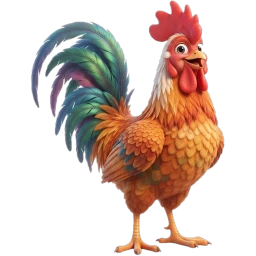 Rooster | Cock-a-doodle-doo |
| Sparrow | Chirp, chirp |
When do we hear the most birds?
Many birds sing most in the early morning. Some sing again in the evening. In the hot afternoon, many birds rest quietly in the shade. If you hear no birds at all, the place may have few trees, or there may be too much traffic noise.
How to be a bird listener
- Find a quiet spot near trees
- Sit still and close your eyes
- Cup your ears and turn to the sound
- Guess the bird, then look for it
Be still and quiet, cup your ears, and the birds will tell you they are there.
Let us try 1: who is calling?
Early one summer morning, Rahul hears a loud call that rises higher again and again: ku-oo, ku-oo! He cannot see the bird. The rising, repeating call tells him it is a koel.
Let us try 2: counting calls
Made-up example: in five minutes, Fatima hears 4 crows and 2 sparrows calling. How many bird calls did she notice? 4 + 2 = 6 calls from two kinds of birds.
Do it at home: a morning bird minute
Early one morning, sit with your grown-up near a window or in a garden. Close your eyes for one minute and listen. Count how many different bird sounds you hear. Try copying one sound together!
For the grown-up: Try this at different times of day and talk about when you heard the most birds. Quiet observation builds patience.
Key takeaways
- Each kind of bird has its own sound.
- Cupping our ears helps us hear sounds more clearly.
- Many birds sing most in the early morning.
Check your understanding
-
1. What does cupping your hands behind your ears do?
- Stops all sound
- Makes sounds clearer and louder
- Makes birds fly away
- Changes the bird's song
Show answer
Answer: B. Cupped hands gather more sound into our ears, so we hear more clearly.
-
2. Which bird is often written as saying 'caw, caw'?
- Pigeon
- Koel
- Crow
- Sparrow
Show answer
Answer: C. The crow's harsh call is usually written as caw, caw.
-
3. At what time do many birds sing the most?
- Early morning
- Hot afternoon
- Midnight
- Never
Show answer
Answer: A. Many birds are most active and noisy in the early morning.
-
4. You hear no birds at all near a busy road with no trees. What is a likely reason?
- Birds have no voices
- Birds sing only on Sundays
- Birds dislike mornings
- There are few trees and too much noise
Show answer
Answer: D. Birds need trees for food and homes. Traffic noise can also hide their calls.
-
5. Which bird sound is often written as 'gutr-gu'?
- Rooster
- Pigeon
- Crow
- Sparrow
Show answer
Answer: B. A pigeon's soft cooing is often written as gutr-gu.
Sign in to keep track of the lessons you finish.