
- Foundation
- About 12 min
- 5 practice questions
Where there are plants, there are animals
Discover the many animals that live on, around and under plants, from frogs and squirrels to ants, caterpillars and earthworms.
If something looks wrong, please tell us.
By the end of this lesson you can
- Notice that animals live on, around and under plants.
- Name animals seen on leaves, trunks and in tree hollows.
- Show how big or small an animal is using your hands.
In the last chapter, we met many plants. Look closely at any plant and you will find animals too! Some sit on its leaves. Some live in its trunk. Some hide in the soil under it. Let us go animal spotting.
Animals on and around plants
A frog may rest on a wet leaf. A butterfly or a moth may sit on a leaf to rest. A caterpillar chews leaves all day. Ants may build a nest by joining leaves together. A colourful stink bug may crawl on a leaf.
On tree trunks, a woodpecker taps for insects. Squirrels hide and rest in tree hollows. A barbet may make its nest in a hollow too. A tailorbird sings from a bush. Big animals like elephants feed on grass.
Animals under the ground
Some animals live under the ground, near the roots of plants. Earthworms move through damp soil and old leaves. Ants and termites also make homes in the soil.
Where animals live around a plant
-
On leaves
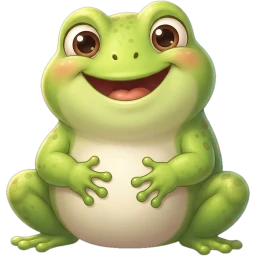 Frog
- Caterpillar
- Butterfly and moth
-
On trunks and in hollows
- Woodpecker
- Squirrel
- Barbet
-
Under the ground
- Earthworm
- Ants
- Termites
Look closely at any plant: animals live on it, around it and under it.
Let us try 1: how big is it?
We can show size with our hands. An ant is tiny, so we pinch two fingers almost together. A squirrel is bigger, so we hold our hands apart like holding a small bottle. An elephant is huge, so we stretch both arms wide!
Let us try 2: on, in or under?
Zara sees a squirrel run into a hole in a tree trunk. Where does it rest? Inside the tree hollow. Later she sees an earthworm in wet soil under the tree. Where is it? Under the ground.
Do it at home: an animal hunt
Stand next to a plant with your grown-up. Look at the top of the leaves, the underside of the leaves, the stem and the soil. Count how many different small animals you see. Look, but do not touch.
For the grown-up: Some insects sting or bite, and some caterpillars have itchy hairs. Teach children to watch from a little distance and never pick up insects.
Key takeaways
- Animals live on, around and under plants.
- Frogs, caterpillars and butterflies may be found on leaves.
- Squirrels, woodpeckers and barbets use tree trunks and hollows.
Check your understanding
-
1. Which animal often rests in a tree hollow?
- A fish
- A squirrel
- A crab
- A camel
Show answer
Answer: B. Squirrels use tree hollows to hide and rest.
-
2. Which animal chews leaves all day?
- A caterpillar
- A woodpecker
- A leopard
- An owl
Show answer
Answer: A. Caterpillars eat leaves continuously so they can grow.
-
3. Which animal lives in damp soil under plants?
- An eagle
- A monkey
- An earthworm
- A parrot
Show answer
Answer: C. Earthworms move through damp soil and old leaves under the ground.
-
4. What does a woodpecker do on a tree trunk?
- Swims
- Stitches leaves
- Sleeps under the soil
- Taps the trunk to find insects
Show answer
Answer: D. A woodpecker taps on the trunk with its strong beak to find insects to eat.
-
5. How should we watch small insects on a plant?
- Watch from a little distance without touching
- Squash them
- Pick them all up
- Shake the plant hard
Show answer
Answer: A. Watching gently keeps the insects safe, and keeps us safe from stings or itchy hairs.
Sign in to keep track of the lessons you finish.